Inner Ear Support: What Nutritional Science Reveals About 6 Key Compounds for Auditory Health
Emerging research on Ginkgo Biloba, zinc, magnesium, alpha-lipoic acid, and B-vitamins points to a multi-compound approach as the most evidence-supported nutritional strategy for inner ear function and auditory health maintenance.
By Editorial Staff | Ear & Hearing Health Review | Sponsored
An estimated 50 million Americans report experiencing some form of auditory discomfort, and the nutritional science behind inner ear health has advanced considerably over the past two decades. The auditory system — including the cochlea, auditory nerve, and surrounding vascular structures — is highly sensitive to oxidative stress, circulatory changes, and nutritional deficiencies.
Research has long established the role of certain minerals and antioxidants in supporting cochlear blood flow and hair cell function. More recently, compounds like Ginkgo Biloba extract, alpha-lipoic acid, and N-acetyl cysteine have entered clinical investigation for their potential contributions to inner ear support — with several studies now referenced in nutritional medicine literature.
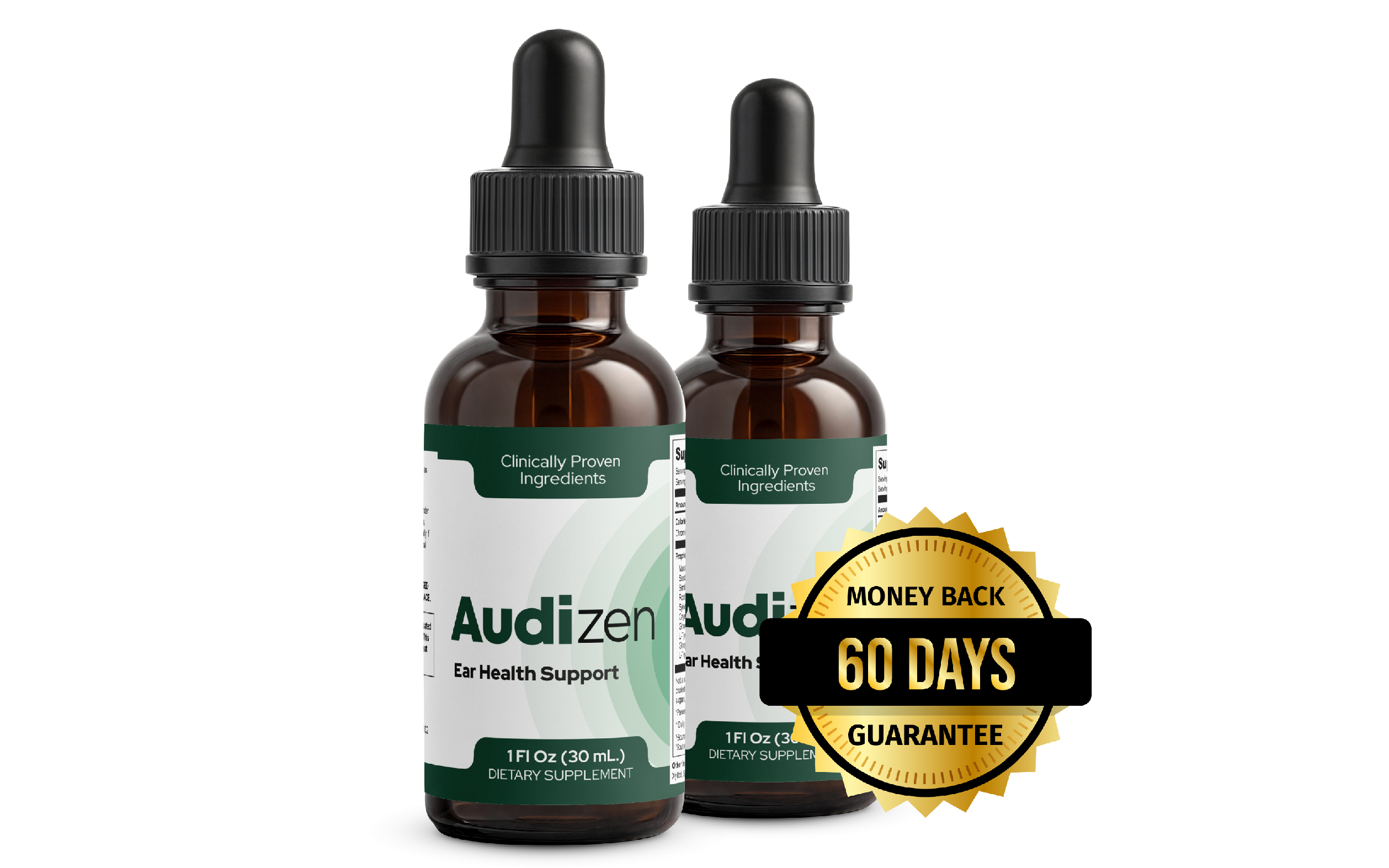
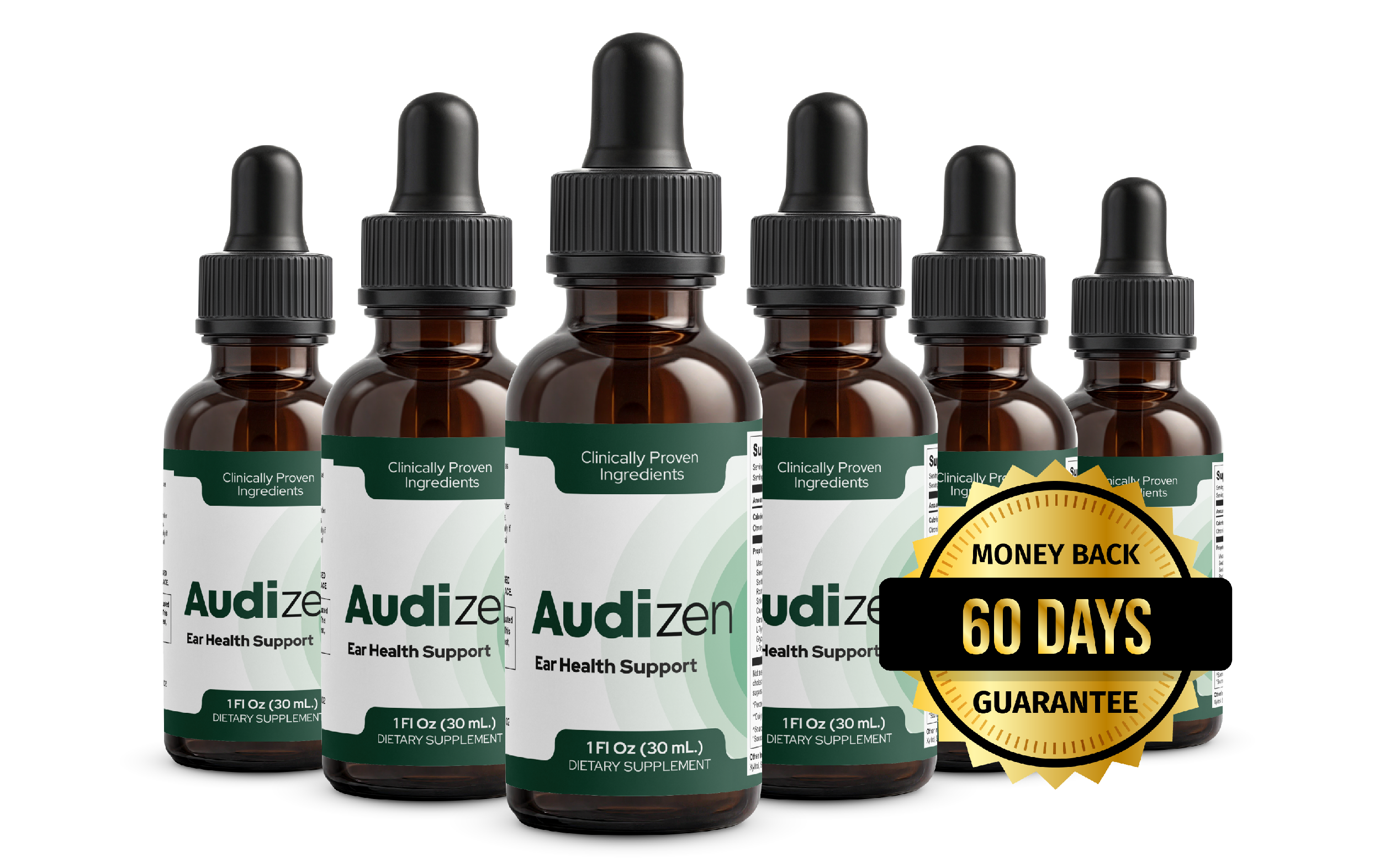
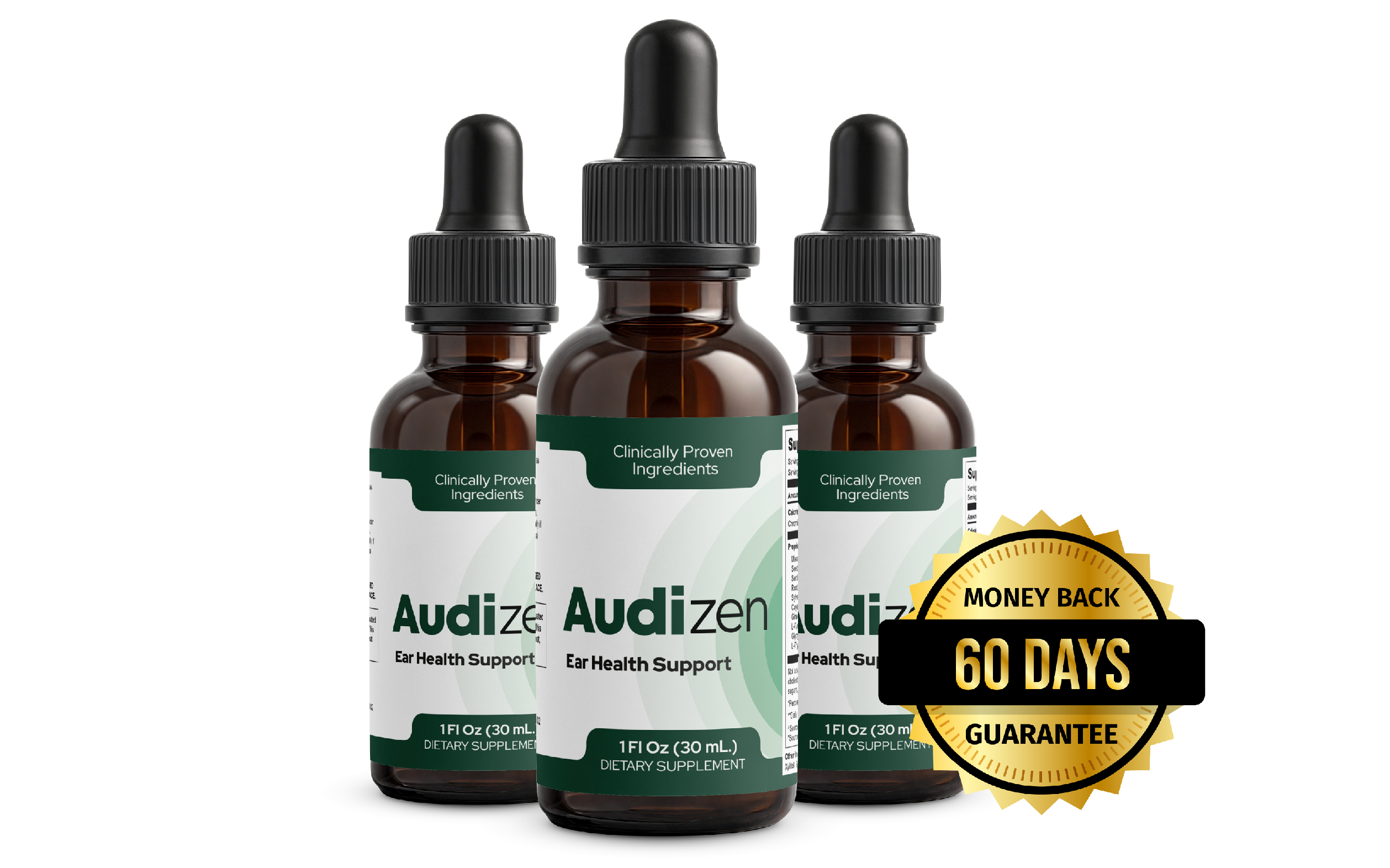
One formulation built around this multi-compound approach is Audizen — a daily liquid drop formula incorporating six evidence-referenced nutrients designed for comprehensive auditory and inner ear support.
⚠ Important Disclosures
Health Disclaimer: This content is for educational and informational purposes only and does not constitute medical advice. Consult your licensed healthcare provider before starting any supplement, especially if you are under treatment for any hearing or ear condition or are taking prescription medications.
Results Disclaimer: Individual results vary. These statements have not been evaluated by the FDA. This product is not intended to diagnose, treat, cure, or prevent any disease.
Affiliate Disclosure: This article contains affiliate links. The publisher may receive compensation for purchases made through links on this page.
Inner Ear & Auditory Support Formula
Audizen™
A 6-compound daily liquid formula designed to support inner ear function, auditory clarity, and overall ear health — from the inside out.
Supports inner ear & auditory function
Antioxidant protection for ear tissues
Promotes healthy cochlear circulation
Easy-to-use liquid dropper · 1 fl oz
Made in USA · GMP Certified
* Statements not evaluated by FDA.
The 6 Key Compounds — What the Research Shows
Botanical · Circulation Support
Ginkgo Biloba Extract
Ginkgo Biloba is one of the most studied botanical compounds for auditory health. It is thought to support microcirculation in the inner ear and cochlear blood flow. Multiple clinical trials have investigated its role in maintaining auditory comfort and inner ear function.
Zinc plays a direct role in cochlear enzyme activity and is one of the highest-concentrated minerals in the inner ear. Studies have explored its relationship with age-related changes in auditory function and its potential to support the structural integrity of hair cells within the cochlea.
Arda et al. (2003) — Zinc & auditory aging. PMID: 12775959Coelho et al. (2013) — Zinc in cochlear function. PMID: 23313745
Mineral · Neuromuscular
Magnesium
Magnesium is essential for normal nerve transmission throughout the auditory pathway. Research has investigated its role in protecting cochlear hair cells from noise-related oxidative stress, and its involvement in maintaining healthy blood flow to the inner ear structures.
ALA is a potent antioxidant that functions in both water- and fat-soluble environments — making it particularly relevant for protecting the lipid-rich membranes of cochlear hair cells. Research has examined its role in reducing oxidative damage in auditory tissues.
Kopke et al. (2000) — Antioxidants & cochlear protection. PMID: 10987768Fetoni et al. (2009) — ALA in auditory tissue. PMID: 19616612
B-Vitamin · Nerve Conduction
Vitamin B12 (Methylcobalamin)
B12 deficiency has been associated with changes in auditory nerve function. Methylcobalamin — the neurologically active form — is required for myelin sheath integrity along the auditory nerve. Studies have explored its relationship with auditory nerve conduction velocity and inner ear health.
NAC is a precursor to glutathione — the body's primary intracellular antioxidant. In the context of auditory research, NAC has been studied for its potential to support cochlear glutathione levels and protect inner ear hair cells from oxidative stress and environmental exposure.
Duan et al. (2004) — NAC & cochlear protection. PMID: 15189755Bielefeld et al. (2007) — NAC in auditory research. PMID: 17917533
Support Your Inner Ear Health Naturally
Audizen combines all 6 evidence-referenced nutrients into one easy daily liquid formula — designed to support auditory function, cochlear circulation, and inner ear health. Made in a USA GMP-certified facility.
* These statements have not been evaluated by the Food and Drug Administration. This product is not intended to diagnose, treat, cure, or prevent any disease.
References & Source Literature
Morgenstern C & Biermann E (2002). The long-term effect of Ginkgo biloba extract on quality of life and audiometric values in patients with tinnitus. HNO. PMID: 11983726
Arda HN et al. (2003). The role of zinc in the treatment of tinnitus. Otol Neurotol. PMID: 12775959
Attias J et al. (1994). Oral magnesium intake reduces permanent hearing loss induced by noise exposure. Am J Otolaryngol. PMID: 7936237
Kopke RD et al. (2000). Reduction of noise-induced hearing loss using L-NAC and salicylate in the chinchilla. Hear Res. PMID: 10987768
Shemesh Z et al. (1993). Vitamin B12 deficiency in patients with chronic-tinnitus. Am J Otolaryngol. PMID: 8325483
Duan M et al. (2004). N-acetyl-l-cysteine and glutathione in cochlear protection. Hear Res. PMID: 15189755
📧 Customer Support: support@audizen.com |
Questions about Audizen? Visit the official product page via the button above for complete ingredient details, dosage instructions, and customer support.
Choose Your Audizen Package
Select the supply that fits your goals — free shipping on 3+ bottles
* These statements have not been evaluated by the Food and Drug Administration. This product is not intended to diagnose, treat, cure, or prevent any disease. Individual results may vary. Consult your physician before use.
We use cookies and similar technologies to enhance your experience, analyze traffic, and for advertising purposes.
By clicking "Accept All", you consent to our use of cookies as described in our
Cookie Policy and Privacy Policy.
You can manage your preferences at any time.
🍪 Cookie Preferences
Manage how we use cookies on this site. Some are essential and cannot be disabled.
Strictly NecessaryRequired for the site to function. Cannot be disabled.
Analytics & PerformanceHelp us understand how visitors interact with our pages.
Marketing & AdvertisingUsed to deliver relevant ads and track campaign performance.
PersonalizationAllow us to remember your preferences and settings.